
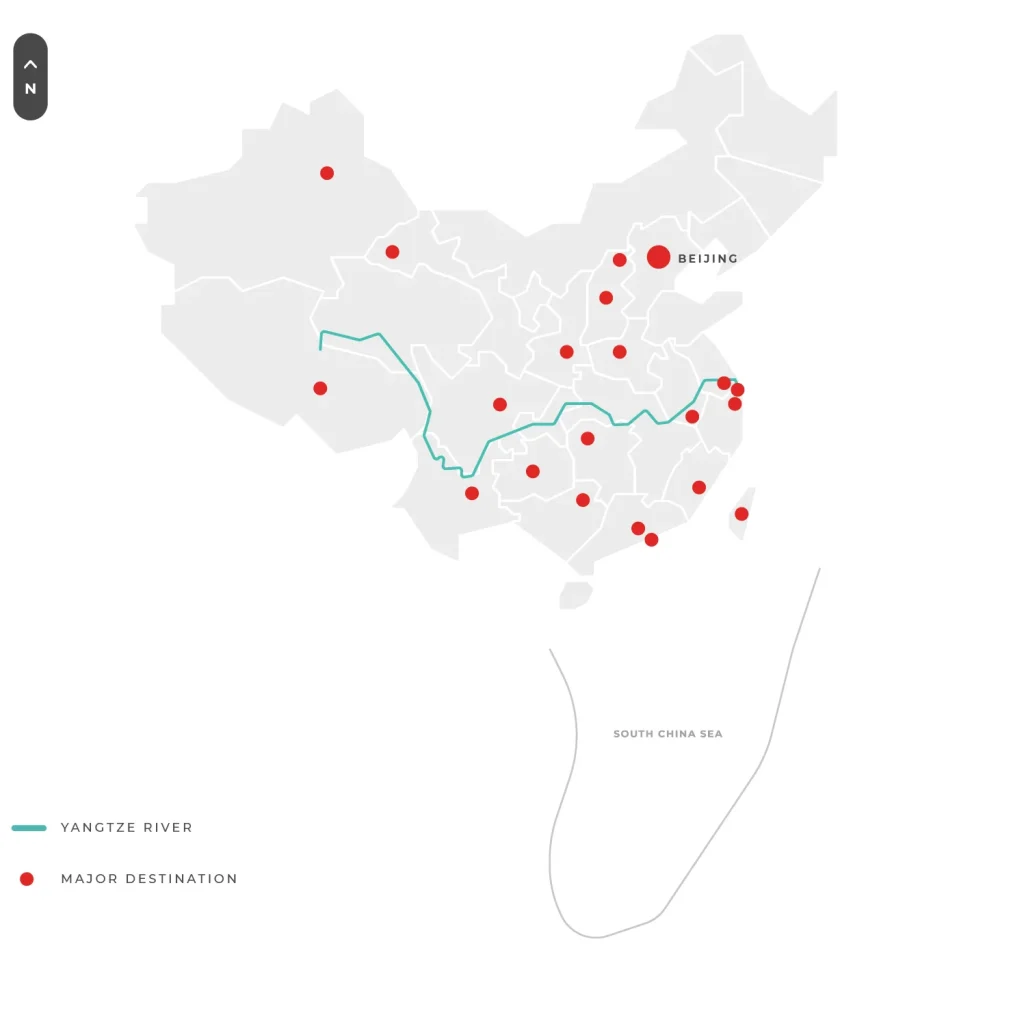
China Travel Guide
Tap into our China travel guide, designed and prepared especially for western travelers looking to bring their travel dreams to life.
As travelers ourselves, we understand making China travel plans should be uncomplicated. However, with the myriad of available options, it’s hard to know where to start. How do you tell one-China travel guide from another? Who do you trust for the very best in China travel? Guide your search by exploring the content we’ve assembled here with help from our team of travel consultants, China travel guides, and our very own CEO, Mr. Li.
As a travel agency that’s been designing unique and memorable vacations for well over a decade, we know the best holiday experiences are created when you have the background and information that enriches your experience. Amongst this collection of articles and news, discover topics of interest about the places, culture, food, accommodation, weather, and people that can become part of your own bespoke adventure. In fact, you can think of it as your personal travel China guide!
We are continually adding to this collection, however, some of the most popular articles cover the fundamentals every China travel agency should share with its customers. Find tips on how to travel safely in China, the best ways to pay on your holiday, the best cities to visit on a China tour, the best highlights in every destination, and what to include on your China tour bucket list.
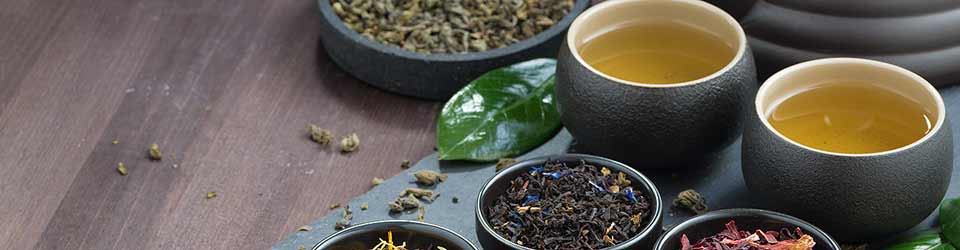
Once the logistics are sorted, turn your attention to the ‘fun stuff’: cuisine, culture, and experiences. Looking for the finest Chinese tea? We can help. Want to explore the intricacies of ancient Chinese architecture? You’ll find the answers here in our travel China guide.
We understand your travel experience with us starts long before you arrive in China andas a dedicated China travel guide, we want every moment of that experience to be thecontent of beautiful travel memories, Enjoy dreaming and exploring – and if there’s moreyou want to know for your China travel plans, reach out to us, We’re here to help.
China Popular Highlights
Nith so manv fantastic olaces and thins to see in china. pooular hiohliohtsthat find theirwavtovour bucket ist won’t be inshortsupply. What wilbe a chalengeis narowing
. Fortunately, we can help with that! We’ve put together detailed information on China, popular highlights
down your list to one that can be covered while you’re traveling on tour.
ind incuded the most fascinating and useiul informatonthat wil help you deide whatto se and when. Wanto know what’s realy behind the Forbiden ity’s wal? Keen to
exolore shanghais alamorous past? Curous about the Teracota Armyin Xian is realy defending? We can answer al these questions and more. And ifyou’re stl having trouble
about what to include on tour, explore further in our China travel quide, or get in touch with our team of friendly travel consultants
Things to do in China
Looking forthingsto do in China? Then it’s time to search our ever-expanding list ofthe incredible,interesting, and insightful Therelteraly is no shortage ofthings to doin China, so
when planning your travels,it paysto do your research and be prepared.In this section ofour trawel!China guide, find artices on unique experiences and everydayevents thatwill
make for beautiful travel memories in a country with a rich and dierse history. Whether its a typical Bejing breakfast, pasing time with pandasin Chengd, or gazing at gorges on
the Yangtze,youll iscover how to maximize the opportunity withthe wisdom ofour people on the ground -ourvalued network of guides,travel!consultants,and partner providers.
Things to do in Beijing
Things to do in xi’an
Things to do in chengdu
China Travel Insights
lmagine an industry expert sharing their China travel insights – and being able totake advantage of decades ofexperience and knowledge.Wel,lok no further. Discover andexplore China throughthe unique perspective of our travel witing team of travel guides and travel consultants,.We’ve taped into theirfirsthand knowledge and enthusiasm fortheircorner of China. You wilove learning what makes Being beautifu, shanghai special, and culn grgeous, Dont wait untilyou’ve arived.Let us bing China to lfe foryou nightnow.



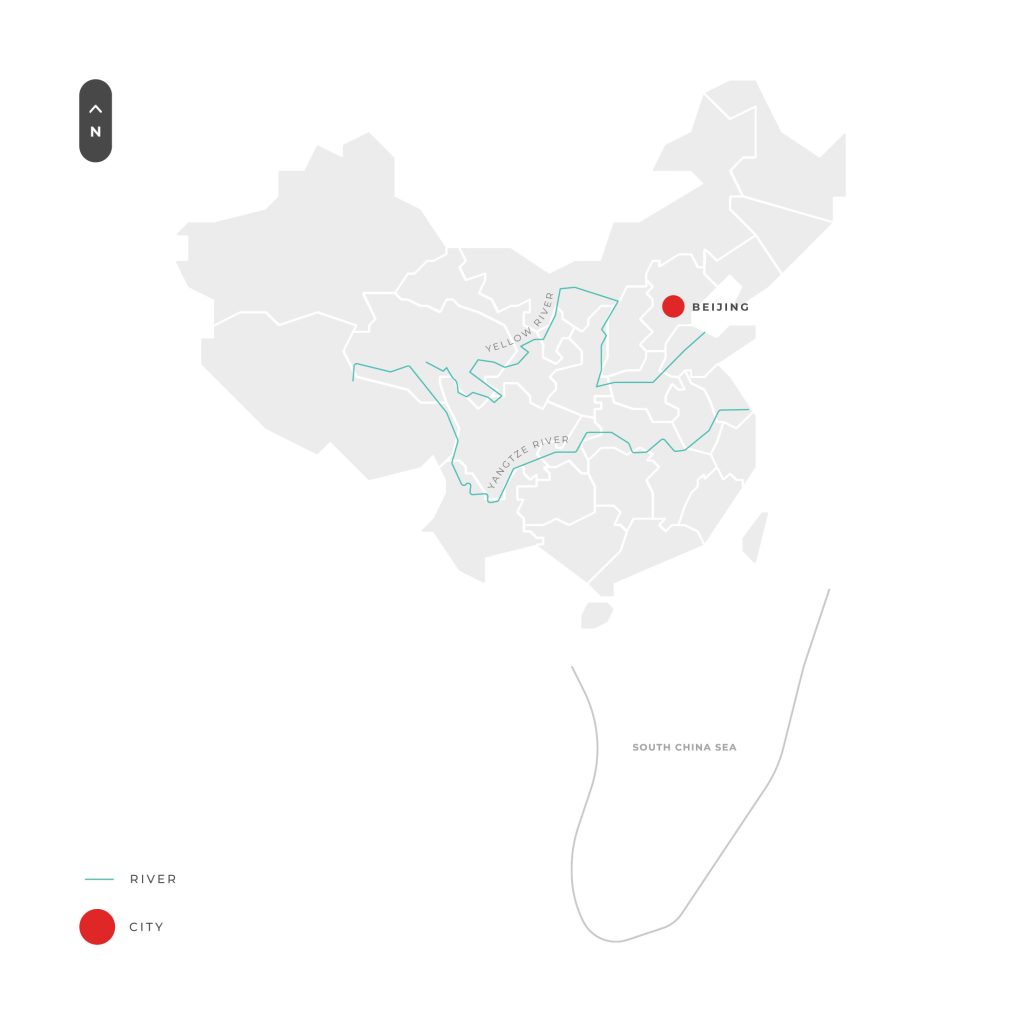
Things to do in China
Okay, so how do you distill all the things to do in China to a single list when there is so much on offer? It’s virtually impossible, so as part of our travel guide, we created a thoughtfully curated list of things to do in China so that whether you love deep dives into detail or simply want the bare minimum, we have you covered.
Because China is so well known for remarkable highlights like the Forbidden City and Great Wall, you may be surprised to know there is, in fact, a world of wonder further afield from the country’s capital. If you’ve never visited China, you’ll find a rich trove of treasures awaits to surprise and delight. Encompassing all areas of life
lf you’re still in the research phase of your travel, this is the perfect place to gather all thedetails needed to create beautiful travel memories, We’ve included an initial list of placesto visit in China (get your pen and paper ready), tips on China’s amazing food (you willlove it!), and things to do at night in some of China’s most popular destinations (makethe most of every travel minute). And if you have more questions, relax! We’re here tohelp. Reach out to our team of travel consultants who can guide you every step of yourChina travels, including the plans you make before departure.
Places to visit in China
Food to eat in China
There is an incredible diversity of food to eat in China, so it’s wise to do your research before entering what can be a truly mesmerizing culinary world that is seemingly unlimited. From noodles to dumplings to amazing vegetarian and meat dishes, you will find the same multi-layered symbolism in China’s food that is discoverable in all other aspects of its culture. Arrive hungry for your China travels, with chopsticks in hand ready to explore China’s kitchens with us. You will love making travel food memories with this list of must-eat Chinese dishes.
Noodles
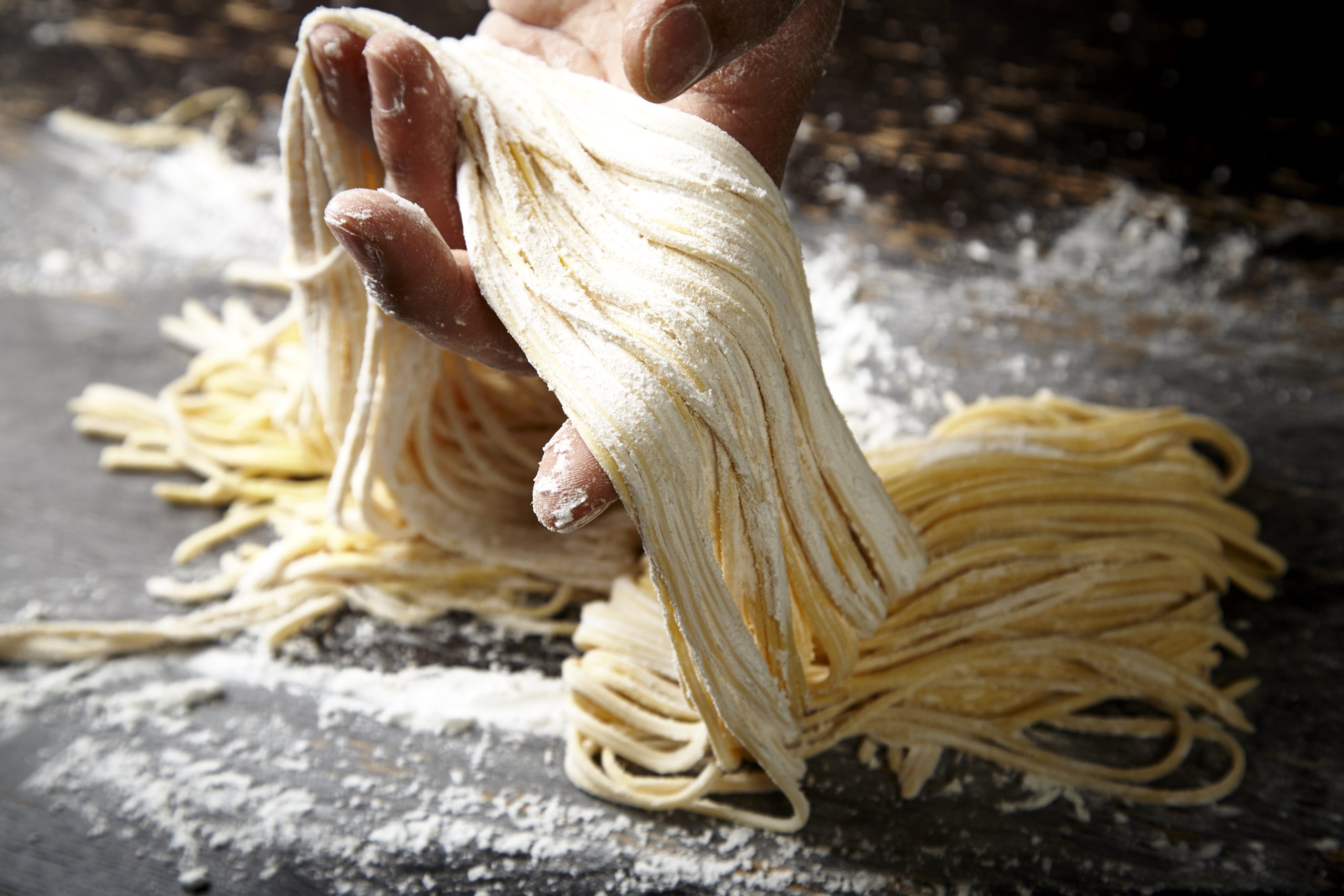
Noodles are to the Chinese what pasta is to Italians – a mainstay of Chinese cuisine that comes in many and varied forms. Every region has its own specialty, allowing you to savor specialty dishes wherever you visit. In Beijing, try Zhajiangmian (old Beijing noodles with fried bean sauce), which is a popular homestyle dish. By contrast, you can enjoy clear broth beef noodle soup in Lanzhou and the red-braised beef noodle soup in Taiwan. In Sichuan province, try Dandan noodles, while in Xian, located in China’s north, it’s impossible to go past the famous local biang biang noodle – so named for their resemblance to a belt. In the south of China, try Guilin’s rice noodles and the ‘crossing the bridge noodles’ of Yunnan, which is a rice noodle soup. And Wuhan is home to a breakfast with a difference – hot dry noodles – so start your day here fired up and ready to go.
Dumplings
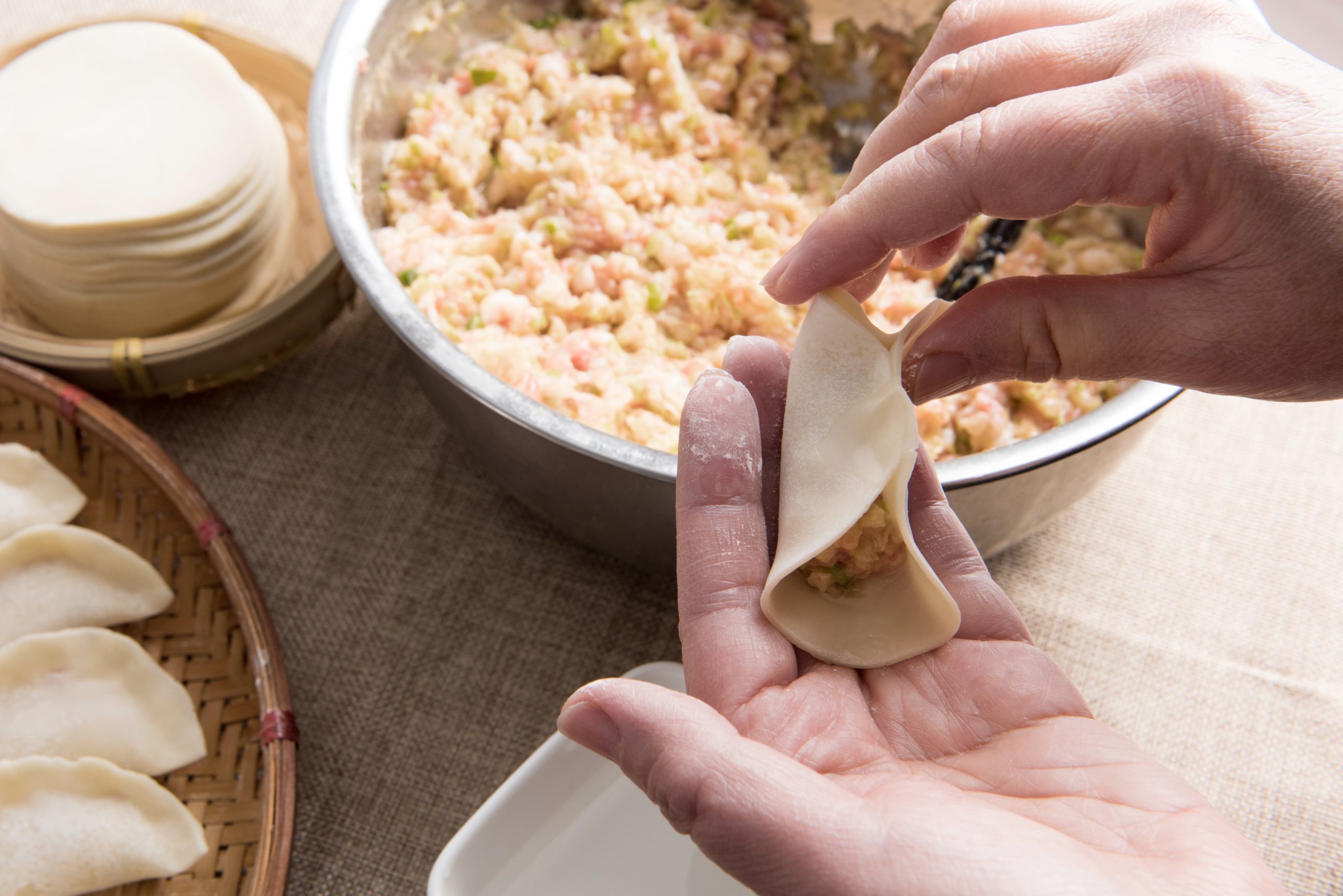
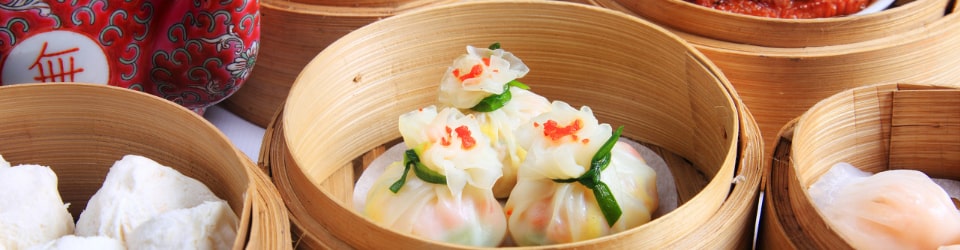
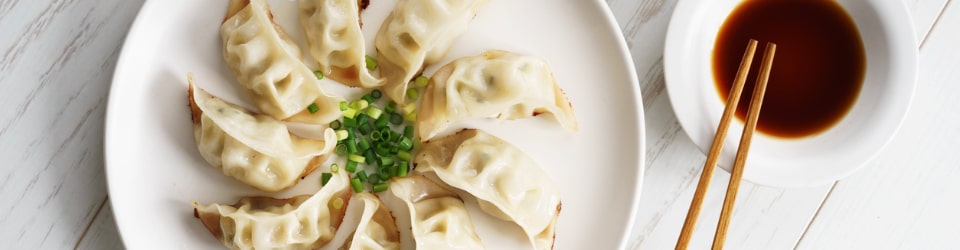
Almost as ubiquitous as noodles, dumplings hold a special place in the heart of just about every Chinese person. On your culinary adventures, expect to find regional specialties, with each vying for your favor. If you’re anything like the ChinaTours.com team, you may find yourself defending your version of the ‘very best’ dumpling, and let’s face it, there is stiff competition for the prize. Choose from jiaozi (served either boiled or steamed); baozi or xiaolongbao, which are delicious steamed buns filled with mince and a juicy broth; shengjianbao, otherwise known as pan-fried mince-filled dumplings; or the Chinese version of a meat pie – xianbing – which are pan-fried oversized dumplings. And of course there’s no passing up a wonton soup while in China either. Essentially a soup broth served with floating dumplings, we dare you to eat just one while on tour!
Other famous signature Chinese dishes
Fancy expanding your palate with other famous Chinese signature dishes? Do your food research right here before departing on a Chinese culinary adventure.
Peking Duck
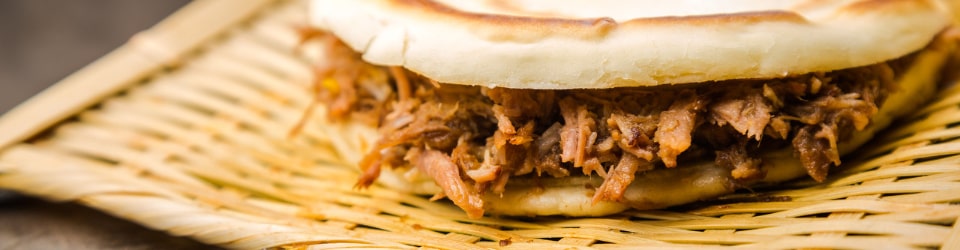
Xi’an Burger (Roujiamo)
Xi’an Cold Noodle
Xiao Long Bao
Mapo Tofu
Kung Pao Chicken
Hotpot
braised pork
Kung Pao Chicken
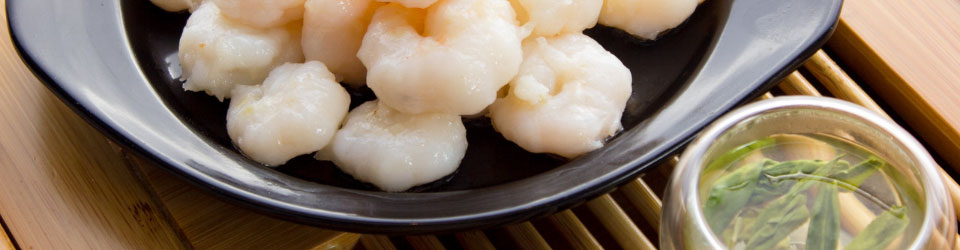
shrimp dumplings
Yangzhou Fried Rice
Guilin Rice Noodles
Things to do at night
Looking forthingsto do in China? Then it’s time to search our ever-expanding list ofthe incredible,interesting, and insightful Therelteraly is no shortage ofthings to doin China, so
when planning your travels,it paysto do your research and be prepared.In this section ofour trawel!China guide, find artices on unique experiences and everydayevents thatwill
make for beautiful travel memories in a country with a rich and dierse history. Whether its a typical Bejing breakfast, pasing time with pandasin Chengd, or gazing at gorges on
the Yangtze,youll iscover how to maximize the opportunity withthe wisdom ofour people on the ground -ourvalued network of guides,travel!consultants,and partner providers.

Night markets
In Xian, although the Terracotta Warriors rate as the city’s number one attraction, the night markets probably come in a close second. With a focus on food, Xian’s night markets are the place to visit if discovering authentic cuisine rates high on your travel priorities. Add the Muslim Quarter and Dongxin Street night market to your itinerary, arrive hungry, rub shoulders with locals, and sample some of the tastiest – and most unusual foods – at this intersection of culinary culture.

Shows and concerts
In the interests of sharing China’s rich culture, there are shows in every city, many of which have traveled and performed internationally. You will find everything from Chinese opera, traditional folk performances, indoor and outdoor dance shows, kung fu, acrobatics, and more. Among the very best available, check what’s on offer at the National Centre for the Performing Arts of China in Beijing and the Shanghai Grand Theatre.
Read more
The night market on Chunxi Street is considered a shopping mecca in Chengdu, acclaim that arises from its location as the intersection between two commercial centres, one of which originated around 100 years ago. Literally just about anything can be found at this nexus of shopping in China (which is really saying something). You’ll discover a showcase of artisanal crafts, souvenirs, fashion accessories, local snacks, and even traditional Chinese massage. Expect to while away an entire evening here. Other famous night markets in Chengdu are Yulin night market (which only opens on weekends) and the night market on Jianshe Road.
A stopover in Guilin on the way to Yangshuo provides the perfect opportunity to spend time wandering through the Xicheng night market and Zhengyang pedestrian street, which together are the very best places in Guilin for shopping and eating. In Beijing, make time to walk around the Wangfujing commercial area, and wander alongside Huangpu River near the Bund in Shanghai to sample night markets in these cities.
Of course, if the markets don’t hold appeal for you, you could brave one or a number of the many over-sized department stores in China. Opening hours for most shopping centers and department stores in big cities are 10am to 10pm, during which time you can join with local people to enjoy shopping in the evening after a busy day.
In Beijing
In Shanghai
In Xi’an
In Guilin
In Chengdu
In Guangzhou
China reopened borders to foreign tourists in 2023 after a long wait of three years. It is the perfect time to unleash your inner traveler and bring your China travel dreams to life. Researching in advance of your travel is one of the very best ways to make the most of your time, not only before departure but while you’re on tour as well. With decades of experience helping travelers from the USA, Canada, the United Kingdom, Australia, and Europe plan and enjoy unique experiences in China and Indochina, we’d love to do the same for you. We welcome online inquiries via direct contact, with responses delivered within 24 hours. Let us know how we can serve you.
Things to do in Beijing
Things to do in xi’an
Things to do in shanghai
Things to do in chengdu
Things to do in Hongkong
Things to do in Tibet
Articles about things to do in China






Popular China Tours

Discover the best sights in China
China popular attractions for the savvy traveler
Read to explore China attractions, but don’t know where to start?
That shouldn’t stop you from creating your ultimate list of best sights for a tour of this amazing country that offers surprise and delight at every destination.
If anyone knows China highlights, it’s our wonderful multilingual travel guides on the ground in over 20 cities. As locals who love their home town and are proud and excited to share it with you, we asked them to put together everything you should know about the main China highlights when you visit. That way, you learn first hand from an expert before you depart and you will enjoy a more enriching experience while you’re here.
Fancy diving into the incredible history of the Great Wall or the intrigue and mystery of the Forbidden City? We have you covered. What about Chengdu’s pandas, the phenomenal rice terraces in Longji, or Xian’s remarkable underground Terracotta Army? There literally is no shortage of China attractions, so creating your bucket list could be a challenge. So why not start here and learn from those who know China? It’s just another way we’re building bridges to connect people through history, culture, and experiences.
China Popular Highlights
Nith so manv fantastic olaces and thins to see in china. pooular hiohliohtsthat find theirwavtovour bucket ist won’t be inshortsupply. What wilbe a chalengeis narowing
. Fortunately, we can help with that! We’ve put together detailed information on China, popular highlights
down your list to one that can be covered while you’re traveling on tour.
ind incuded the most fascinating and useiul informatonthat wil help you deide whatto se and when. Wanto know what’s realy behind the Forbiden ity’s wal? Keen to
exolore shanghais alamorous past? Curous about the Teracota Armyin Xian is realy defending? We can answer al these questions and more. And ifyou’re stl having trouble
about what to include on tour, explore further in our China travel quide, or get in touch with our team of friendly travel consultants
China Popular Highlights
China Travel Insights
The information and insights shared by our experts to you
Our China travel insights are for anyone with wanderlust and ready to return to travel. Dreaming of an international escape? We get it. Just like us at Explore China Journey, despite lockdowns and border closures (or perhaps because of them), we’re more passionate than ever about guiding our travelers to discover new places and authentic experiences.
On board? We’re thrilled!
Before you explore, take a journey through our China travel insights. From classic sightseeing to luxury adventures, you’ll find everything you need to plan, organize — and ultimately savor a once-in-a-lifetime travel experience in China.
Not quite ready to hit the road but still want to keep your travel flame alive? Visit our China culture page. Prefer exploring from your armchair? Discover the very best things to do in China by city, with detailed highlights shared by our knowledgeable local guides.
And if you have any questions, simply get in touch — we’re here for you.
China Travel Insights
Whether your question relates to the best time to visit China, the best places to visit, or you simply want to dive deep into Chinese culture, start your adventure here with us. As a travel agency with a deep understanding of what western travelers want, we love bringing the travel dreams of our customers to life by creating beautiful travel memories. Start your journey with us right here.



Tours in China
Be surprised by our tours in China that cater to discerning travelers who want a real experience of China. With a focus on the rich history, culture, and contemporary evolution of China, you will appreciate our selection of hotel and travel partners who share our values: do the right thing, keep it real, source only the best available in every China destination.
Why? Well, we know it’s the people on the ground, our travel consultants, guides, and drivers, who help make beautiful travel memories for our customers. That’s why on our best China tours you’ll meet real locals who’ll share their love and enthusiasm for their city. We believe delivering tours this way makes a meaningful difference. It’s how we build bridges of understanding between people from all over the world – and we’d love you to join us.
Chinese Food
Essential facts for a first time western traveler to China
With origins dating back millennia, the history of Chinese food is certainly long and incredibly delicious.
Chinese cuisine is said to have originated in the central part of China, and is one of just three cuisines (French and Turkish are the other two) that profoundly influenced countries throughout East Asia. Studies of Chinese food history point to literature that indicate China was cooking barbecued meat, grilled fish, and other ‘common’ foods over 5,000 years ago.
There are many things which distinguish Chinese food: ethnic influences, regional diversity, geographic location, availability of ingredients. However, there are some general principles.
Read more
As Chinese food evolved through history, influenced greatly by natural disasters and poor harvest, the cuisine was crafted around the five flavors of Yiyin – sweet, sour, bitter, pungent, and salty – more on this below. Dishes tend to be prepared following one or a number of preparation methods. A Chinese cook – whether domestic or commercial – will know how to braise, steam, stir-fry, deep-fry, boil, or roast. Fermentation is also a feature of Chinese food, making its way into sauces, side dishes, and condiments. And of course, there is the ubiquitous presence of steamed rice at virtually every meal.
Yes, there is more to Chinese food than these fews facts, so let’s do some historical food exploration.
Yi yin: The Culinary God of china
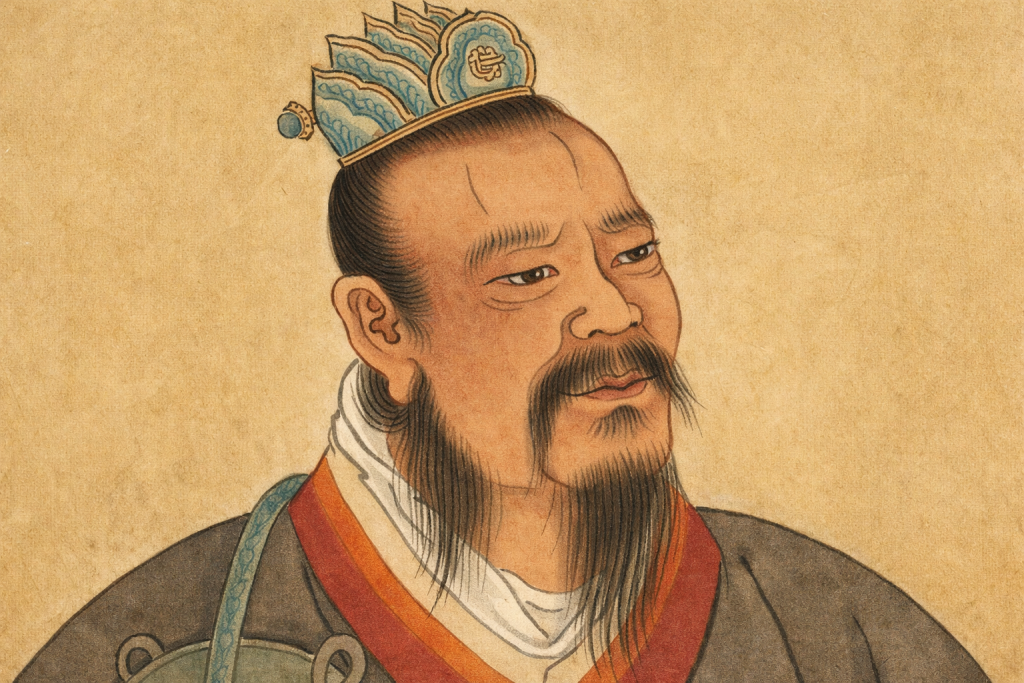
Over 3,500 years ago, Yi Yin was not only a politician, thinker, and minister during the Shang Dynasty, he was also a great master of cooking. Yi Yin was regarded as a philosophical chef or the Culinary God of China, on the basis of his philosophy the whole world was a kitchen. In fact, as a way to encourage the pursuit of Tang during the Shang Dynasty, he translated the “philosophy of governance” into a “mouth-watering recipe”. Essentially, this philosophy made an analogy between “the principle of cooking” and the “principles of state administration”.
In simple terms, this meant managing the country was a bit like cooking a delicious meal. Bringing together different raw ingredients, using different cooking methods, and drawing on heat control elements of good quality water, wood, and fire, it is possible to produce harmony between the five flavors of sweet, sour, bitter, pungent, and salty. Yi Yin’s theory of the harmony between five flavors of Chinese cooking endures today having pervaded other areas of Chinese life.
Read more
Just take its influence in traditional Chinese medicine wherein it is taught the harmony of five flavors not only improves the enjoyment of taste, but also helps with health by keeping balance in the body. It is even recommended for treatment of illness and injury. One fine example of how traditional Chinese medicine was influenced by Yi Yin is through the main method of taking Chinese medicine, which is drinking Chinese medicine soup. Otherwise known as Chinese medicine herbal tea made from certain plants and herbs, legend has it that Yi Yin created the “soup” method for taking medicine.
History of Chinese food: Dining through the dynasties
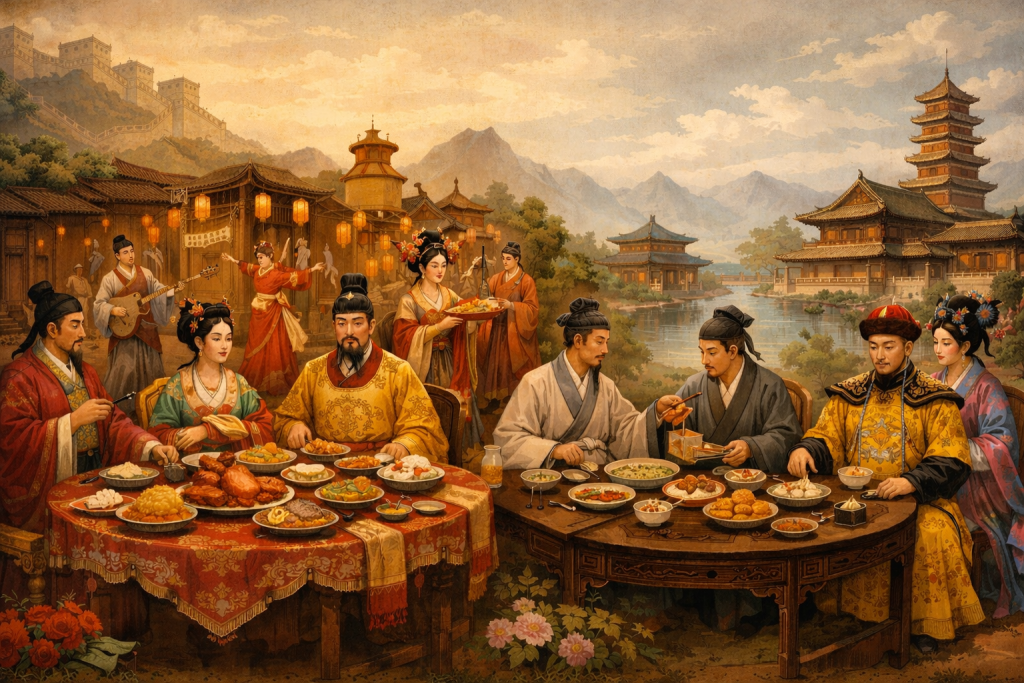
There is no question that Chinese people love their food. Not only are regional flavors of importance, planning, preparing, and sharing meals communally with friends and family rests at the heart of Chinese culture .
It’s hardly a surprise to learn that this appreciation of food has been around for a very long time. It seems we have much to thank the Shang Dynasty, earliest recorded in China. Aside from the significant advances made in maths, astronomy, art, and military technology, it was during Shang Dynasty rule that the five flavors of Yiyin appeared.
Further culinary evolution followed during the Zhou Dynasty, appearing as the famous – and lucky flavors – of the ‘Eight Treasures’ . Each subsequent dynasty, including the Han, Wei, Southern, and Northern dynasties, brought with it new flavors and culinary developments.
Read more
However, food historians agree that it was the Song Dynasty which represented the pinnacle of evolution in Chinese cuisine. During this period, hundreds of dishes took shape: hot and cold, soups, and dishes of great color and flavor, adding to the existing repertoire based on the predominant South, North and Sichuan flavors.
Later dynasties (Yuan, Ming and Qing dynasties) continued this seemingly unstoppable trend, with many thousands of dishes emerging. Particularly during the Qing Dynasty, until the beginning of the Republic of China when more foreigners arrived in China, Chinese food was influenced by western cuisine and a fusion of flavors was born.
After the People’s Republic of China was founded, and particularly since 1979, traditional dishes from all parts of China have re-emerged and returned to popularity. More recently, there has even been a trend to imitate the food of the Tang and Song dynasties, as well as Confuscian and Honglou dishes.
Chinese food: A variety of cuisines
As a country that is expansive and diverse geographically, there is huge variability in climate, availability of ingredients, agricultural production, culture and beliefs. Consequently, regional cuisines emerged, creating the many flavors of China.
It is widely recognised there are eight major Chinese culinary traditions that are representative of different regions and flavors.
Shandong Cuisine(Chuan Cuisine)
Sichuan Cuisine(Chuan Cuisine)
Cantonese Cuisine(Yue Cuisine)
Jiangsu Cuisine(Su Cuisine)
Zhejiang Cuisine(Zhe Cuisine)
Fujian Cuisine(Min Cuisine)
Hunan Cuisine(Xiang Cuisine)
Anhui Cuisine(Hui Cuisine)
The role of rice in Chinese food
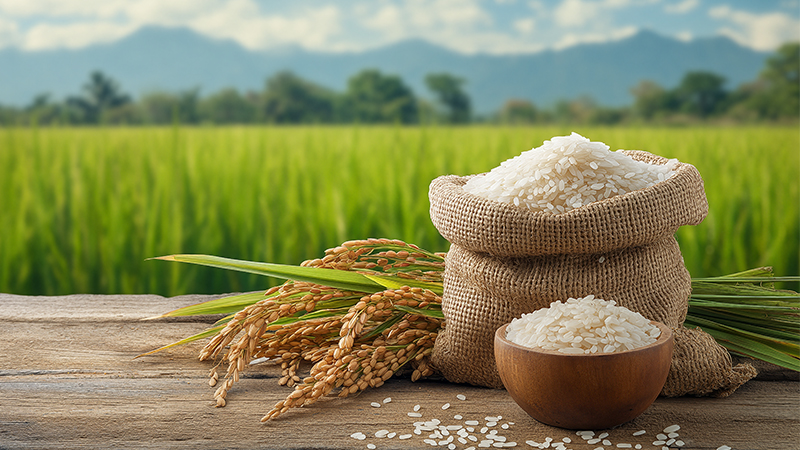
You could be forgiven for thinking rice accompanies every Chinese meal, however it’s a false assumption depending on where you are.
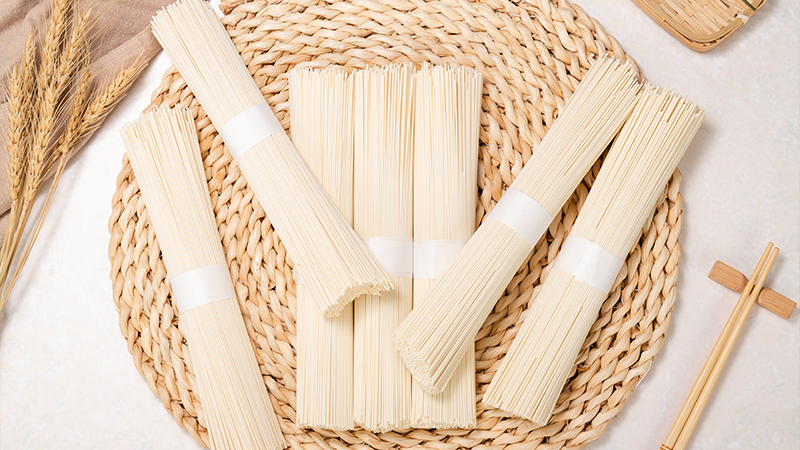
Of course, there is no doubt rice is a companion to many dishes, however, those living in China’s north are more likely to consume dumplings, wheat noodles and steam buns with a meal. This is due in large part because the northern part of China is colder and drier where it is conducive to wheat production. By contrast, in China’s south, the climate is ideal for growing rice, so it is more likely your meal will be accompanied by rice or rice noodles.
Read more
At an informal Chinese meal, each individual usually is given their own bowl of rice to accompany dishes served on communal plates that are shared by everyone around the table. Apart from steamed rice, Chinese rice congee and fried rice are popular in Chinese families, while plain congee with side dishes and youtiao are typical Chinese breakfasts. Traditional fried rice is made with egg and green onions, however if you’re after something more like the dish that is known and loved in every Chinese restaurant around the world, add your own medley of ingredients.
Other interesting facts about Chinese food
So how do you eat Chinese food?
Chopsticks are the western equivalent of ‘cutlery’, used to consume all manner of solid food. Soups and other liquid foods, on the other hand, are eaten with a flat ceramic spoon.
And what about the essential elements of producing a delicious Chinese meal? Take note! As a minimum, you must carefully select and prepare the finest ingredients, bring your very best knife skills, apply the correct cooking principles with heat neither too high nor low, and use precise seasoning.
Read more
Chinese cooking methods are diverse. Depending on the dish, the chef will be called upon to stir-fry, stir, steam, boil, stew, simmer, blanch, roast, braise, sauce, pan-fry, deep-fry, bake, smoke. Given the thousands of Chinese dishes, it’s not surprising that each of these can be divided into several categories. The right application of heat is key, and each cooking method applies the heat in a different way. Take steamed pork ribs as an example. Left too long, the meat will overcook; too short and the meat will be underdone.
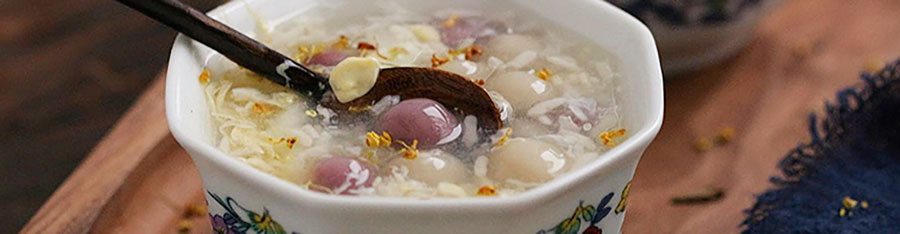
The order in which Chinese food is consumed is important too. Meals always start with cold dishes, then progress to hot stir-fried dishes, and large dishes (such as a whole steamed fish or roast lamb). Sweet dishes, like white fungus and lotus seeds sweet soup are the precursor to the meal ending with freshly cut fruits. Typically, savoury and light taste dishes are served first, while sweet and strong tasting dishes are served later.
And a final fun fact about Chinese food? The most popular Chinese dishes for westerners are really nothing like you get back home. When you visit China, expect to savor and enjoy all your favorites: sweet and sour pork, kung pao chicken, ma po tofu, wonton soup, dumplings (every possible kind), spring rolls, chow mein and Peking Duck (the real thing!).
Did you know?
UNESCO’s City of Gastronomy project was launched in 2004. There are thirty-six Cities of Gastronomy that have been nominated since then. China has four Cities of Gastronomy on the list which are Chengdu, Macao, Shunde and Yangzhou.
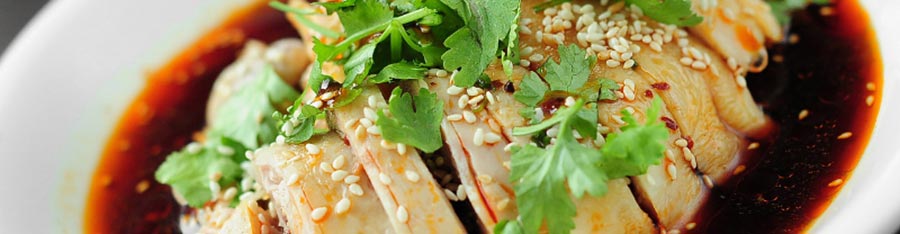
Food in main Chinese cities
Beijing chinese Food
Xi’an chinese Food
Sichuan chinese Food
Yunnan chinese Food
Tibet chinese Food
Shanghai chinese Food
Food in main Chinese cities
China weather
Everything you need to know before arriving on the ground
A China weather article may not sound like the most riveting pre-trip reading, but if you’ve ever arrived in a new destination and been totally underprepared because it’s too hot, cold, wet or dry, you’ll understand just how quickly travel plans can be derailed. What starts out as fun quickly turns to a much less enjoyable experience – all because you didn’t check the weather.
Like so many aspects of China, weather is not straightforward. How can it be? In a country that covers a massive expanse in all directions, there are bound to be variances in China weather – sometimes really big ones – on any given day. That’s why it pays to do your research well in advance, not only of your arrival, but planning and booking your trip too.
Without drowning you in too much detail, like the rising floodwaters of a tropical summer typhoon, we’ve endeavoured to capture the all important information for adventurers making their way to China, regardless of when and where they travel.
China weather
An overview
China’s coastline just on its own stretches a whopping 18,000 kilometers, so as you’d expect with such a distance, the zones within China itself present a wide range of temperatures and climates.
During winter, China is generally warm in the south and cold – in some places, bitterly cold – in the north. Temperature differences between north and south can vary by up to 50°. The influence of the winter monsoon, which brings cold and dry winter winds from Mongolia and Siberia impacts the northern region of China. Visit Beijing during the coldest months of the year and you will definitely be pulling out your thermal gear, gloves, and beanie.
By contrast, in summer, which runs from June to August, you will find temper-atures that reach the other extreme. With the exception of the high lying Qinghai-Tibet Plateau and Tianshan Mountains, the average temperature in most areas sits above 20°C. In fact, you will find that in many places in the south, the average is above 28°C.
Now if you’re thinking that sounds quite manageable and you think Turpan in high summer sounds ideal, you may just want to reconsider your travel plans. Freezing cold in winter, temperatures in Turpan swing in the opposite direction during summer, hitting an average high of 40°C (104°F).
Remember too there is a wet season in China weather and the timing of it varies from north to south. In the south, with its more tropical and subtropical weather zone, the wet season starts early and ends late. The wettest months are between May and October.
The wet season in the north is shorter and concentrated in July and August (summer). Monsoons are a common feature of China’s weather, both in warm and cold months. Fortunately, this is most advantageous for agriculture, as it allows for diversity in crop cultivation and animal production.
But it’s not all good news. Floods, along with other natural disasters such as drought, earthquakes, and cold waves occur regularly each year, and in some cases, with catastrophic effects.
Although we’ve only provided a brief overview of China weather here, at the very least, you have the basics, and can start to plan the timing of your trip accordingly.
The takeaways on China weather for foreign visitors?
China weather by city
Beijing
Xi'an
Shanghai
Chengdu
Guangzhou
Dunhuang
Guilin
Lhasa
Hong Kong
Want to know more about the weather in China? Work through the pages of our Travel Guide and find everything you need to know about visiting China. Discover helpful information on related topics, including China visas, things to do in China, food, culture, and more. As a China travel agent that’s been operating well over a year – and survived the impact of COVID-19, we’re more committed than ever to helping our customers discover and experience real China. We understand that your once-in-a-lifetime trip to China starts well before departure, that’s why we provide useful information about important details on topics like the weather in China to help make your China vacation as enjoyable as possible.
Tours in China
China Culture
A glimpse into Chinese culture before traveling to China
China culture cannot be condensed to a single page, so we figured it would be wise to dedicate a whole section to it in our Travel Guide.
As a civilization spanning thousands of years, and a culture that draws influences from various wisdom traditions, neighboring countries, the personal agenda of different dynasties, and innumerable scientific, philosophical, and artistic endeavours, it seems like China culture is as expansive as the Forbidden City forecourt. Quite literally, it would take months to gain an understanding that goes beyond the superficial.
For our customers looking to gain some understanding of what’s behind the people, places, and things that make up China culture before embarking on a travel adventure, we’ve provided the basics here. Expect to find background information uncovering the essence of China culture, including its evolution from prehistoric times to contemporary life. We touch on Chinese art, literature, music , and the performing arts.
Read more
You will also find background on spiritual beliefs in China, language, and useful facts about the influences of minority cultures who have integrated into the predominant Han Chinese people, who make up approximately 95 percent of the 1.4 billion population.
And though China culture has drawn influences from people, places, and things from afar, as one of the world’s oldest cultures, its influence is also far-reaching. Advanced shipbuilding techniques and navigation technology, including the compass, saw early Chinese exploration, and consequently, dissemination of China culture such that led to its emergence as the main geographic region within the East Asian region.
With such an expansive history and far-reaching impacts arising from the Middle Kingdom, you may find it hard to know where to start. Let us step in and help. Explore our Travel Guide that’s been curated especially to make preparation for your China travel adventure as easy and fun as possible.
China Culture Articles
Faced with the virtually impossible task of distilling China culture into a single page, we’ve taken the approach that more is, well, more. In this selection of China culture articles, introduce yourself to China’s emperors, learn the difference between Sichuan and Szechuan, uncover the basics of Buddhism and Confucianism, discover the origins of traditional Chinese medicine, and more. It’s all here in the Travel Guide!




Things to do in China
Looking forthingsto do in China? Then it’s time to search our ever-expanding list ofthe incredible,interesting, and insightful Therelteraly is no shortage ofthings to doin China, so
when planning your travels,it paysto do your research and be prepared.In this section ofour trawel!China guide, find artices on unique experiences and everydayevents thatwill
make for beautiful travel memories in a country with a rich and dierse history. Whether its a typical Bejing breakfast, pasing time with pandasin Chengd, or gazing at gorges on
the Yangtze,youll iscover how to maximize the opportunity withthe wisdom ofour people on the ground -ourvalued network of guides,travel!consultants,and partner providers.
China Visa and China Tourist Visa Questionsand Answers
Questions about your China visa?
Looking for useful China tourist visa information without the complicated jargon? Access the details you need from the guide right here and be travel ready for your adventure in China!
Start exploring before you depart
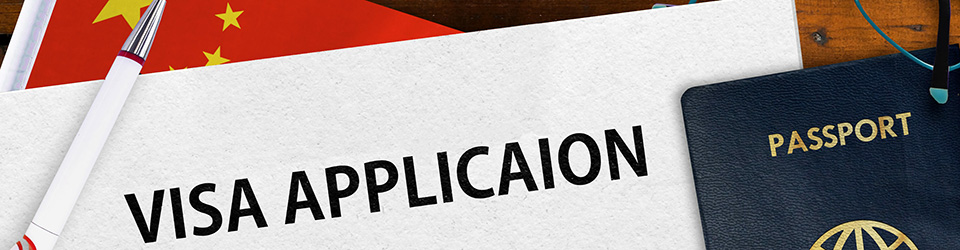
A China visa application can seem a little complicated if you’re unfamiliar with the process. That’s why we aim to provide just about everything a western traveler needs to know about the details and logistics of preparing a China tourist visa application, China visas for Hong Kong, and Tibet Travel Permits.
Every day we’re helping customers just like you make plans for their upcoming travels – and we can help you too. In this section of our Travel Guide, get the information you need to keep your travel preparations on track.
Keep your China tourist visa application simple
Although there are some exceptions to visa requirements for travel in China, most international travelers will find a China tourist visa is necessary, unless they intend limiting in-country travel to a single destination. The other exceptions are where a traveler’s country of origin has a special arrangement in place with China.
Visa-free travel is possible for western travelers – and very popular too. If your air ticket provides for travel to a third country after your time in China, then you can skip the queue on a China visa application. If you are eligible travelers from 55 countries, you can apply for the 240-hour visa-free transit at 65 specific ports of entry in 24 provinces.
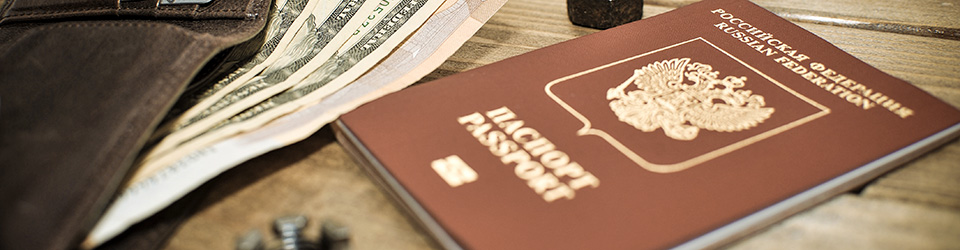
China has implemented unilateral visa-free policies for 48 countries, including Germany, France, Italy, The Netherlands, Spain, Switzerland, Ireland, Hungary, Austria, Belgium, Luxembourg, New Zealand, Australia, Poland, Portugal, Greece, Cyprus, Slovenia, Slovakia, Norway, Finland, Denmark, Iceland, Andorra, Monaco, Liechtenstein, Republic of Korea, Bulgaria, Romania, Croatia, Montenegro, North Macedonia, Malta, Estonia, Latvia, Japan, Negara Brunei Darussalam, Bazil, Argentina, Chile, Peru, Uruguay, Saudi Arabia, Oman, Kuwait, Bahrain, Russia and Sweden. Until December 31, 2026 (Russia – September 14, 2026), ordinary passport holders from these countries are eligible for a visa-free entry if they come to China for business, tourism, visiting relatives and friends and transit for no more than 30 days
Read more
However, if you are not eligible for visa-free entry or 240-hour visa-free transit, and your plans include a multi-city tour around the country or even a short tour to several destinations not in the permitted stay area, you will need a China tourist visa, and it’s wise to get help to ensure your application right the first time around. If you don’t, you may find yourself frustrated and confused at your local China embassy or China Visa Application Service Centre when you realize you haven’t quite ticked all the necessary boxes.
Whether you’re planning a countrywide adventure or a single city visit, get the drum here in our travel guide. We’ve got you covered for the many unexplored possibilities of travel in China.
Before heading to China, work through this China tourist visa checklist to be sure you have everything covered.
Step1-Check if you need a visa before traveling to china
If you are in transit for 24, 72, or 144 hours (now extended to 240 hours as of December 17, 2024), and at one of the designated international airports and ports in China, you may qualify for visa free travel. Referred to as the China Transit Visa, foreign travelers from certain countries can take advantage of the convenience of this visa, which can be obtained on arrival. Be aware, you must have an air ticket to a third destination with a confirmed date of flight and seat, and must stay within the allowed areas for visa-free transit travelers. There are 65 open ports in the 24 provinces for visa-free transit, including the cities of Beijing, Shanghai, Tianjin, Dalian, Guangzhou, Guilin, Chongqing, Chengdu, Kunming, Xi’an, Xiamen, Wuhan, Harbin, Qingdao, Changsha, and some other specified regions.
If your travels in China extend beyond the destinations in the List of Ports and Allowed areas for visa-free transit under 240 hours, you will require a visa.
(Learn more about China Transit Visa in the article below.)
In addition to the 28 countries signed the bilateral agreements with China (including Singapore, Malaysia and Thailand), China has extended the unilateral visa-free policy to 48 countries including Australia, New Zealand, France, Germany, Italy and Japan. Until December 31, 2026, ordinary passport holders from these countries can be exempted from Visa to enter China and stay for no more than 30 days for business, tourism, family visit, exchange visit and transit purposes. Those who do not meet the purposes of visit and time limit for visa free policy are still required to apply for Visas to China.
(Find more information in the article of China Visa Free Entry listed below.)
Step 2 – Identify which visa you need
There are numerous visas available for travelers into China, however they fall into four main categories: diplomatic visa, courtesy visa, service visa, ordinary visa. If you are traveling as a tourist, you will need an ordinary visa (L). You can learn more about the details of specific visa types on the Visa for China page of the China embassy in your country.
China Embassy in USA
China Embassy in United Kingdom
China Embassy in Australia
China Visa Application Center
Step 3 – Prepare documentation for your visa application
A China visa application can seem like a lot of paperwork, so take care to assemble everything you need in advance of submitting your application. Here are just a few things you’ll need for your application:
- An original passport with 6 months validity and at least two blank visa pages
- A copy of the passport’s data page and the photo page (if it is separate).
- A completed Visa Application Form with genuine and accurate information about the applicant.
- One color passport-size photo (48mm x 33mm, taken within 6 months, full face, front view against a light background).
- Supporting documents, as required.
- Specific to a China Tourist Visa application is the provision of copies of all your travel itinerary documents, including air tickets and hotel reservations. An invitation letter issued by a relevant entity (for example, a travel agency) or individual in China is also required.
If you think clarification on the details might be helpful, you’re right, it will be! Questions regarding the specifics of a China visa application should be directed to your local Chinese embassy or China Visa Application Center.
Step 4 – When and where to submit your China visa application
To make the application itself, you will need to make your submission at a Chinese Embassy or a Chinese Consulate-General in the USA, or at a China Visa Application Service Centre (only for an ordinary visa application) in the United Kingdom, Australia, and other countries. Documents can be submitted by post or in person, however, it’s wise to check with relevant China visa issuing authorities in your country for the most up to date information. We strongly recommend you confirm with the China Embassy or Consulate in your country as to whether they accept applications via post or in person.
Visa fees can be paid via credit card (Visa, MasterCard), money order, cashier’s or company’s check. Cash and personal checks are not accepted.
Remember to allow plenty of time for your visa application. It is wise to allow between 30 and 45 days in advance of your travel date. In the event you need to prepare additional information, this will allow sufficient time to address the requirements.
Step 5 – Collect your visa
Visa processing usually takes approximately three to five working days. Once your visa is processed, you will be notified. You will then need to visit the China Visa Application Service Centre (in the UK, Australia or other countries) to collect your passport with the visa. A mail out service may be available, however you will need to confirm this at the time of submission.
China Visa Articles
China visa articles, China visa information, and more. Find it all here in our detailed posts about how to navigate the occasionally challenging – but ultimately satisfying – process to secure your China visa, regardless of how long you plan to travel. As with international travel anywhere, it’s important to prepare well in advance before departure. Travel to China does require a visa for most international visitors, and in certain regions, such as Tibet and Hong Kong, additional visas or permits are required if you are touring through other parts of the country. You’ll also find answers to these and many other frequently asked China visa questions. And if by some chance, you don’t discover the exact information you need, get in touch. Our team is here to help.


Things to do in China
Looking forthingsto do in China? Then it’s time to search our ever-expanding list ofthe incredible,interesting, and insightful Therelteraly is no shortage ofthings to doin China, so
when planning your travels,it paysto do your research and be prepared.In this section ofour trawel!China guide, find artices on unique experiences and everydayevents thatwill
make for beautiful travel memories in a country with a rich and dierse history. Whether its a typical Bejing breakfast, pasing time with pandasin Chengd, or gazing at gorges on
the Yangtze,youll iscover how to maximize the opportunity withthe wisdom ofour people on the ground -ourvalued network of guides,travel!consultants,and partner providers.